

Why people avoid care (and why that’s a problem)
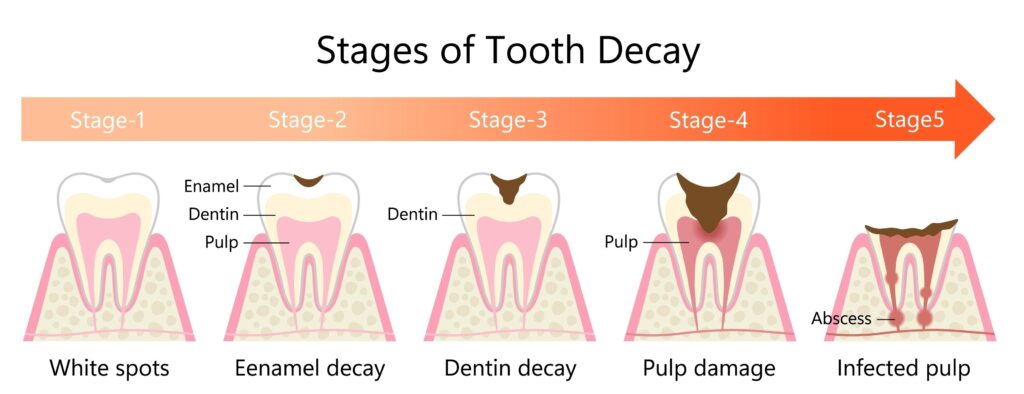
Visiting the dentist shouldn’t feel like being sentenced. Most people avoid it because of uncertainty — not because of the chair. This guide strips away the jargon, explains what really happens at different life stages, and gives practical, real-world advice you can use today. It also includes short interactive bits you can copy into a message or bring to your appointment.People skip the dentist for three reasons: fear of pain, fear of judgment, and fear of surprise bills. Those fears are real — but the longer you wait, the more likely a quiet issue becomes a painful emergency. Cavities and gum disease often don’t hurt early on. Regular checkups catch problems when fixes are small, fast, and cheaper.
Quick reality: skipping care doesn’t save money — it usually costs more later.
How often — quick reference (age-based)
- Babies & toddlers: first visit by first birthday or when first tooth erupts. Keep visits short and positive.
- Kids (2–12): every 6 months, unless dentist says otherwise. Early visits build trust.
- Teens: every 6 months. Hormones, braces, and changing diets make monitoring important.
- Young adults (20s–30s): aim for every 6 months; if life gets busy, don’t skip — small problems compound.
- Adults (35–50): usually every 6 months; more often if you have gum issues, lots of restorations, or medical risks.
- Older adults (55+): at least every 6 months, often more depending on meds, dry mouth, dentures, or bone health.
These are starting points. Your dentist may recommend 3–4 month visits if you’re high risk, or a personalized, longer interval if your oral health is excellent.
The psychology of patient fear — how to turn it around
People hear “you should come back in six months” and read “you’ve been bad.” That interpretation sparks shame. A better approach — from a dental team that actually helps — is to explain the why: “We check for early signs so you won’t need a filling later.” Framing matters.
If you’re nervous, say it out loud. Good teams respond. Example scripts you can use:
- “I haven’t been in for a while. I’m nervous. Can we do a gentle first visit?”
- “Can you show me the X-ray and explain what you see before doing anything?”
Asking those two things changes the visit from a surprise into a conversation.
What actually happens in a routine visit (so it’s less scary)
A typical checkup is:
- Quick health & medication check.
- Cleaning (scaling/polishing) — may feel odd if your gums are inflamed.
- Exam of teeth, gums, bite; X-rays only if needed.
- Short plan and next steps explained.
If anything needs work, a good dentist will offer options, explain costs, and prioritize what truly needs doing first.
When you might need more frequent visits
Ask for shorter intervals if you have:
- Active gum disease or history of periodontitis
- Frequent cavities or a lot of dental work (crowns, implants)
- Diabetes, osteoporosis, autoimmune disease, or medications causing dry mouth
- Heavy tobacco or vaping use
- Bruxism (teeth grinding) or sleep apnea with appliance therapy
If any of the above apply, 3–4 month cleanings and checks can prevent escalation.
Will it hurt?
Short answer: usually no. Cleanings can feel uncomfortable if your gums are inflamed. If you’re anxious, options include topical numbing, breaks during work, or mild sedation. Avoiding the dentist often makes later treatment more invasive — and that’s what hurts.
Practical, interactive tools (use these now)
1) Two-minute self-check (do this before your appointment)
- Any bleeding while brushing? Y / N
- New tooth sensitivity to hot/cold? Y / N
- Loose tooth or new wobble? Y / N
- Dry mouth that’s persistent? Y / N
If you answered yes to any, tell the dentist this when you call — it helps them prioritize your visit.
2) Questions to bring to your appointment
- “What do you see on my exam/X-ray?”
- “What are the top 2 things I should do right away?”
- “Can you walk me through the cost and options?”
- “If I’m anxious, what can you do to help me feel calmer?”
3) A short message to send when booking (copy/paste)
Hi — I’m overdue for a checkup and feel anxious about dental visits. Can I book a 20–30 minute ‘see and talk’ appointment first? I’d like a gentle cleaning and a plain-language plan.
Dentists are used to this. Saying it up front gets you a calmer first visit.
If you’re behind on care: a simple plan to restart
- Book a “return” appointment — tell them you’re nervous.
- Ask for an exam + cleaning and a clear plan (no surprises).
- Prioritize pain and infection first; cosmetic things later.
- Set the next visit before you leave — small consistent steps beat occasional big fixes.
Most clinics expect people to return after gaps and will work with you.
Quick myth-busters
- “You must go every 6 months” — Not strictly. It’s a good default, but your dentist should tailor it.
- “Cleaning will fix gum disease” — Cleaning helps, but moderate-to-advanced gum disease needs targeted treatment.
- “No pain = no problem” — Many issues are painless until advanced.
Frequently Asked Questions (FAQ)
1. How often should you visit the dentist?
Most people should visit the dentist every six months for regular check-ups and cleanings, though this may vary based on individual oral health needs.
2. Does dental visit frequency depend on age?
Yes, dental visit frequency can vary by age, as children, teens, adults, and seniors all have different oral health needs and risks.
3. How often should children visit the dentist?
Children are generally recommended to visit the dentist every six months to monitor tooth development and prevent cavities.
4. How often should teenagers go for dental check-ups?
Teenagers should typically visit every six months, especially to manage gum health and monitor orthodontic needs if applicable.
5. How often should adults visit the dentist?
Most adults benefit from dental visits every six months, although those with specific dental issues may need more frequent check-ups.
6. Do seniors need more frequent dental visits?
Yes, seniors may need visits every 3–6 months due to increased risks like gum disease, dry mouth, and tooth sensitivity.
7. Who might need to visit the dentist more often?
People with gum disease, diabetes, braces, or a history of dental problems may require check-ups every 3–4 months.
8. Can I visit the dentist less often than every six months?
Some individuals with excellent oral health may need fewer visits, but regular check-ups are still important for early detection and prevention.
Final takeaway
Regular dental visits are insurance for your comfort and chewing — and for avoiding painful, expensive emergencies. Start with a low-pressure first visit if you’re nervous. Ask questions. Bring this guide, or copy the booking message above. The goal isn’t perfection — it’s keeping your life comfortable.