
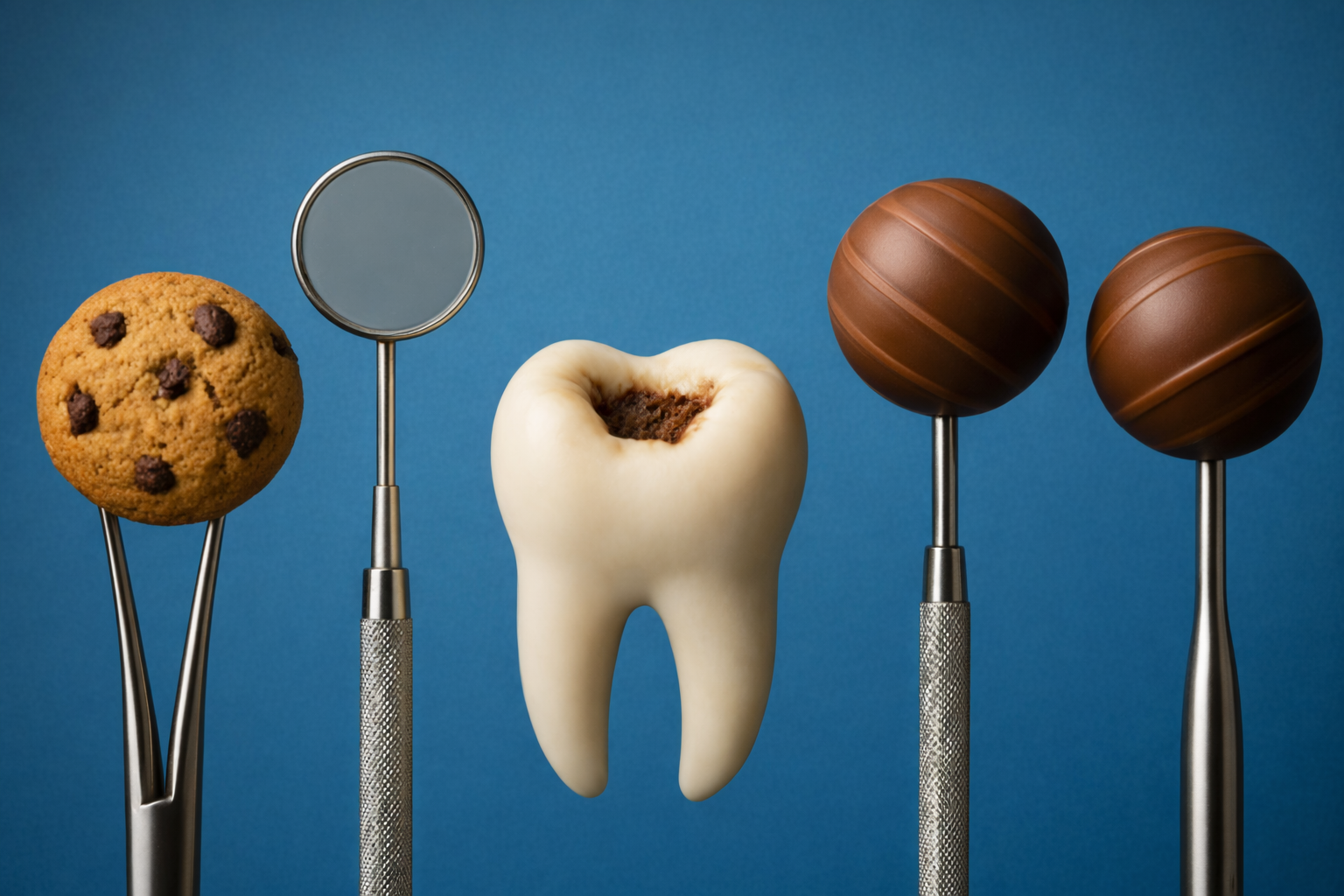
Why Sugar Is Harmful to Teeth
Sugar is a common part of modern diets. It is found in tea, coffee, desserts, snacks, and packaged foods. While sugar may taste good, it can cause serious harm to your teeth and gums. Many people do not realize that frequent sugar intake is one of the main causes of dental problems. Understanding how sugar affects your oral health can help you make better choices and protect your smile.
Your mouth contains many types of bacteria. Some of these bacteria feed on sugar. When sugar enters the mouth, bacteria break it down and produce acid. This acid attacks the tooth enamel. Each acid attack lasts about 20 minutes. If you eat sugar often, your teeth face repeated acid attacks throughout the day.
How Cavities Develop
Cavities do not form overnight. They develop slowly. First, acid removes minerals from the enamel. This is called demineralization. If this process continues, small holes form in the teeth. These holes are cavities. Dental treatment is required. This is why limiting sugar intake is important for long-term dental health.
Hidden Sugars in Everyday Foods
Many people think sugar only comes from sweets and chocolates. This is not true. Sugar is hidden in many common foods, including:
- Soft drinks and energy drinks
- Packaged fruit juices
- Flavored yogurt
- Breakfast cereals
- Biscuits and cakes
- Sauces and ketchup
These hidden sugars can harm your teeth even if you avoid desserts. Reading food labels can help you reduce sugar intake.
Sugar and Gum Health
Sugar does not only damage teeth. It also affects your gums. When plaque builds up along the gum line, it causes irritation. Gums may become red, swollen, or bleed while brushing. If plaque is not removed, it hardens into tartar. Advanced gum disease may cause loose teeth and tooth loss.
Sugar and Bad Breath
Bacteria that feed on sugar also produce foul-smelling gases. This can cause bad breath. Poor oral hygiene combined with high sugar intake increases this problem. Brushing, flossing, and reducing sugar can help maintain fresh breath.
How Frequency Matters More Than Quantity
Eating a large amount of sugar at once is harmful. However, eating small amounts of sugar many times a day is even worse. This gives teeth less time to recover. Limiting sugary foods to mealtimes can reduce damage. Saliva flow is higher during meals and helps neutralize acids.
Tips to Reduce Sugar Damage
You do not need to stop eating sugar completely. Simple habits can protect your teeth:
- Brush twice daily with fluoride toothpaste
- Floss once a day
- Rinse your mouth after sugary foods
- Drink plenty of water
- Avoid sugary snacks between meals
- Choose fresh fruits instead of sweets
- Visit your dentist regularly
These small steps can make a big difference.
Role of Fluoride in Protecting Teeth
Fluoride helps strengthen tooth enamel. It makes teeth more resistant to acid attacks. Using fluoride toothpaste and drinking fluoridated water can help reduce cavities, especially in children.
Importance of Regular Dental Visits
Regular dental checkups help detect problems early. Dentists can spot early signs of cavities and gum disease before they worsen. Professional cleanings remove plaque and tartar that brushing cannot remove.
Teaching Children Healthy Habits
Children are more likely to develop cavities due to sugary snacks and drinks. Teaching good oral habits early can prevent future problems. Encourage brushing, limit sweets, and schedule regular dental visits for children.
Frequently Asked Questions (FAQ)
1. How does sugar affect your dental health?
Sugar feeds harmful bacteria in the mouth, which produce acids that attack tooth enamel and lead to cavities.
2. Can sugar cause cavities?
Yes, frequent sugar consumption increases acid attacks on teeth, which weaken enamel and result in cavities over time.
3. Does sugar only damage teeth or also affect gums?
Sugar affects both teeth and gums by promoting plaque buildup, which can lead to gum inflammation and periodontal disease.
4. Are hidden sugars harmful to teeth?
Yes, sugars found in everyday foods like soft drinks, cereals, and sauces can still damage teeth and contribute to decay even if you avoid sweets.
5. Can sugar cause bad breath?
Yes, bacteria that feed on sugar release foul-smelling gases, which can lead to bad breath.
6. Does frequent snacking on sugary foods increase dental problems?
Yes, frequent exposure to sugar prolongs acid attacks on teeth, increasing the risk of cavities and enamel erosion.
7. How does sugar lead to plaque and tartar buildup?
Sugar promotes plaque formation, which can harden into tartar if not removed, leading to further dental issues.
8. What can you do to protect your teeth from sugar?
Limiting sugar intake, maintaining good oral hygiene, and regular dental check-ups help reduce the harmful effects of sugar on your teeth.
Conclusion
Sugar may be sweet, but its impact on dental health can be harmful. Frequent sugar intake leads to cavities, gum disease, and bad breath. By reducing sugar, practicing good oral hygiene, and visiting your dentist regularly, you can protect your teeth and gums. Small changes today can lead to a healthier smile for life.